


Discovering Purpose and Meaning After Work
Purpose isn't just about career. Learn how to find meaning through interests, relationships, contribution, and personal growth in your next chapter.

Beyond the Job Title
Work shapes who we are. For decades, your job defined your identity, your schedule, your sense of contribution. Then retirement arrives, and suddenly that structure vanishes. You're not unemployed — you're something new. But what?
The challenge isn't finding time. It's finding meaning. We're not talking about hobbies that fill an afternoon. We're talking about a sense of purpose that makes your days feel worthwhile. That's what separates people who thrive in retirement from those who struggle.
Purpose in retirement isn't one thing. It's often a combination of activities, relationships, and contributions that align with your values.
Reconnecting with Abandoned Interests
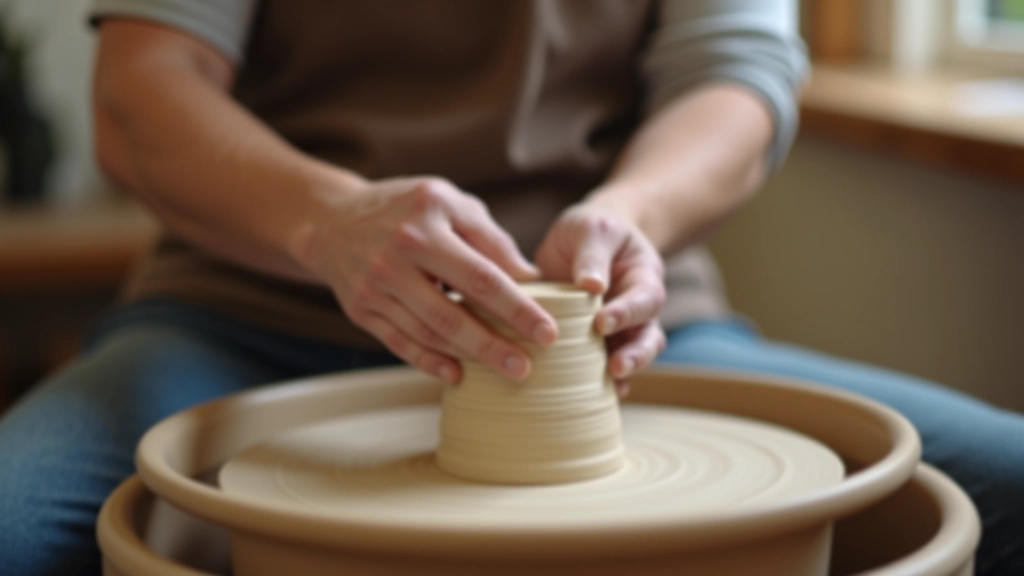
Most of us had passions before work took over. Maybe you painted, played an instrument, gardened, or wrote stories. Work didn't kill these interests — it just buried them. Retirement gives you the chance to excavate.
The key isn't just restarting something old. It's deepening it. You're not just playing guitar again — you're joining a local folk group or learning jazz theory. You're not just gardening — you're growing heritage vegetables and documenting what works in Irish climate conditions.
This matters because depth creates connection. When you're genuinely engaged in something challenging, you meet people who care about it too. A painting hobby becomes a studio group. A reading interest becomes a book club that meets weekly. Purpose grows from these connections.
"I picked up photography again after 35 years. Thought I'd just mess around. Instead, I'm now documenting old buildings in rural Ireland before they're lost. It's real work. It matters."
— Margaret, retired librarian

Purpose Through Relationships
Work relationships end when you retire. That's real grief. But it also creates space for relationships that weren't possible before — deeper friendships, reconnected family bonds, mentoring relationships.
Some of the strongest purpose we see comes from showing up for people. This might mean regular time with grandchildren — not just visits, but genuine involvement in their lives. It might mean finally having time for friendships that work had pushed to the margins. Or it might mean mentoring younger people in your field, sharing what you've learned.
What makes this purposeful isn't the activity itself. It's the consistency and genuine investment. You're not filling time. You're building something meaningful with specific people.
Contributing to Your Community
Retirement doesn't mean stepping away from contribution. It means choosing how you contribute. Volunteering isn't just good for communities — it's deeply purposeful for the person doing it.
The difference between aimless and purposeful volunteering comes down to choice and engagement. You're not doing something because you should. You're doing it because you care about the outcome. A retired teacher tutoring struggling readers. A former accountant helping charities with their finances. A nurse volunteering with hospice services.
The best volunteer roles use your actual skills. You're not starting from zero. You're bringing expertise to something that matters. This creates real impact and genuine satisfaction. You can see the difference you're making.

Finding Your Purpose: A Practical Approach
1
Inventory Your Interests
Write down activities that absorbed you before work dominated your life. What did you read about? What did you do in university? What activities made time disappear?
2
Identify Your Values
What matters to you? Learning? Helping others? Creating? Connecting? Being in nature? Purpose aligns with values. Activities that contradict your values won't feel meaningful.
3
Test Activities Gradually
Don't commit fully to the first thing. Try different classes, groups, or volunteer positions. You'll quickly feel whether something resonates or feels forced.
4
Look for Depth Over Breadth
Three activities you care deeply about matter more than ten shallow hobbies. Purpose comes from engagement, not quantity.

Continuous Learning as Purpose
Many retirees discover that learning itself becomes purposeful. Not career-focused learning — learning for the joy of understanding something new.
This might be formal — university courses, workshops, certification programs. Or informal — joining a history group, learning a language, studying philosophy. The structure creates consistency. The community creates connection. The learning itself keeps your mind engaged.
What's important: you're not learning to achieve something external. You're learning because the subject genuinely interests you. That's when it feels purposeful rather than obligatory.
About This Content
This article provides educational information about finding purpose in retirement. Every person's experience is different, and what creates meaning for one person may not work for another. The approaches described here are based on common patterns we've observed, not universal prescriptions. If you're struggling with purpose or meaning during retirement, consider speaking with a retirement coach or counselor who can provide personalized guidance for your specific situation.
Purpose Is Discovered, Not Found
You won't wake up one day with a sudden clarity about your life's purpose. Purpose emerges through experimentation, connection, and engagement. It comes from showing up consistently to things you care about. From deepening interests. From contributing to people and communities you genuinely want to help.
The first months of retirement can feel unmoored. That's normal. You're not supposed to have it all figured out immediately. But you don't need to drift either. You can be intentional about exploring what matters to you. That exploration itself is purposeful.
Purpose in retirement isn't smaller than purpose in work. It's just different. It's personal instead of professional. It's chosen instead of assigned. And often, it's more deeply satisfying because it's authentically yours.
Continue Your Learning